

50-Year-Old Renovation on Marine Coastal Environment
University of Florida Whitney Laboratory for Marine Bioscience | St. Augustine, FL
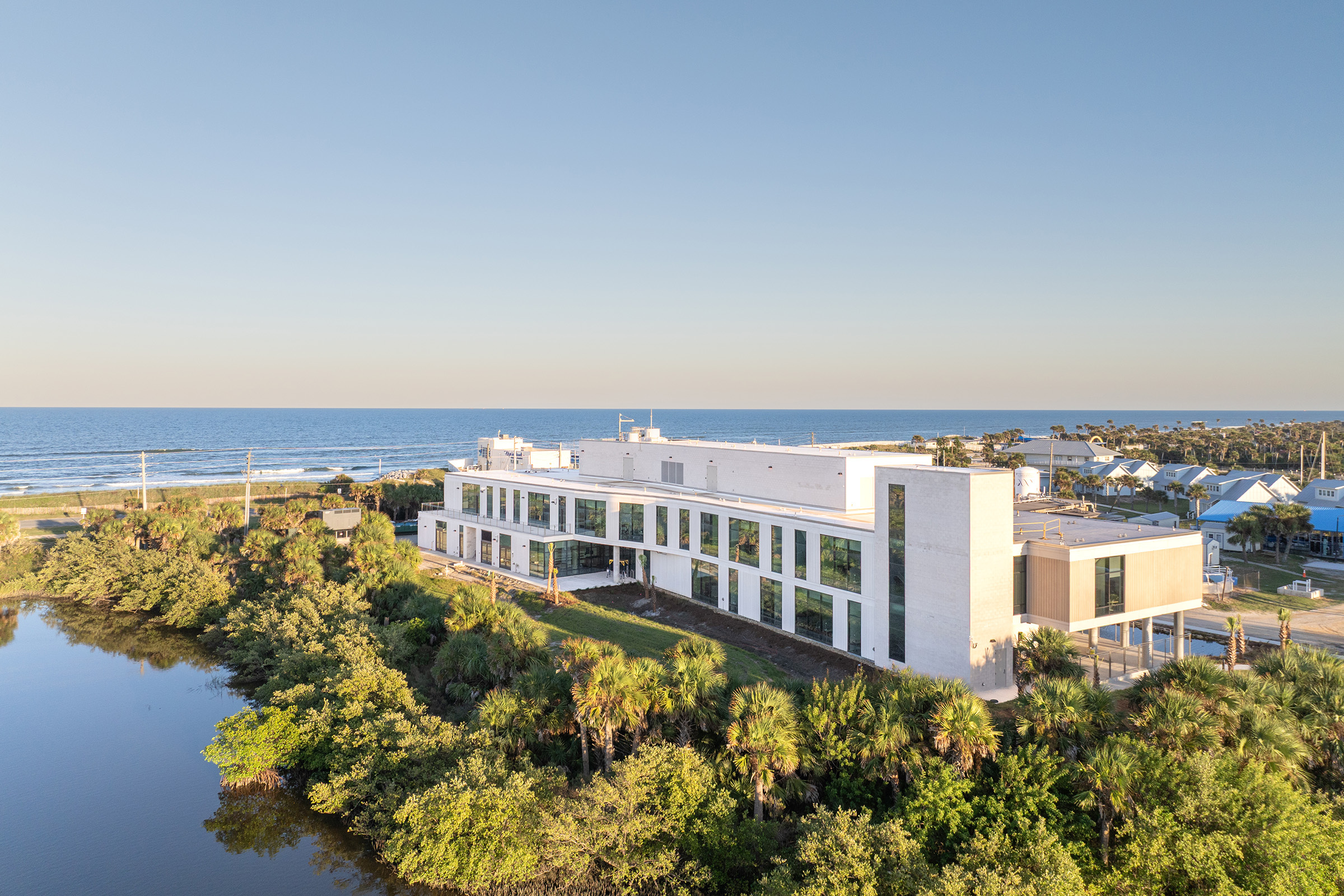
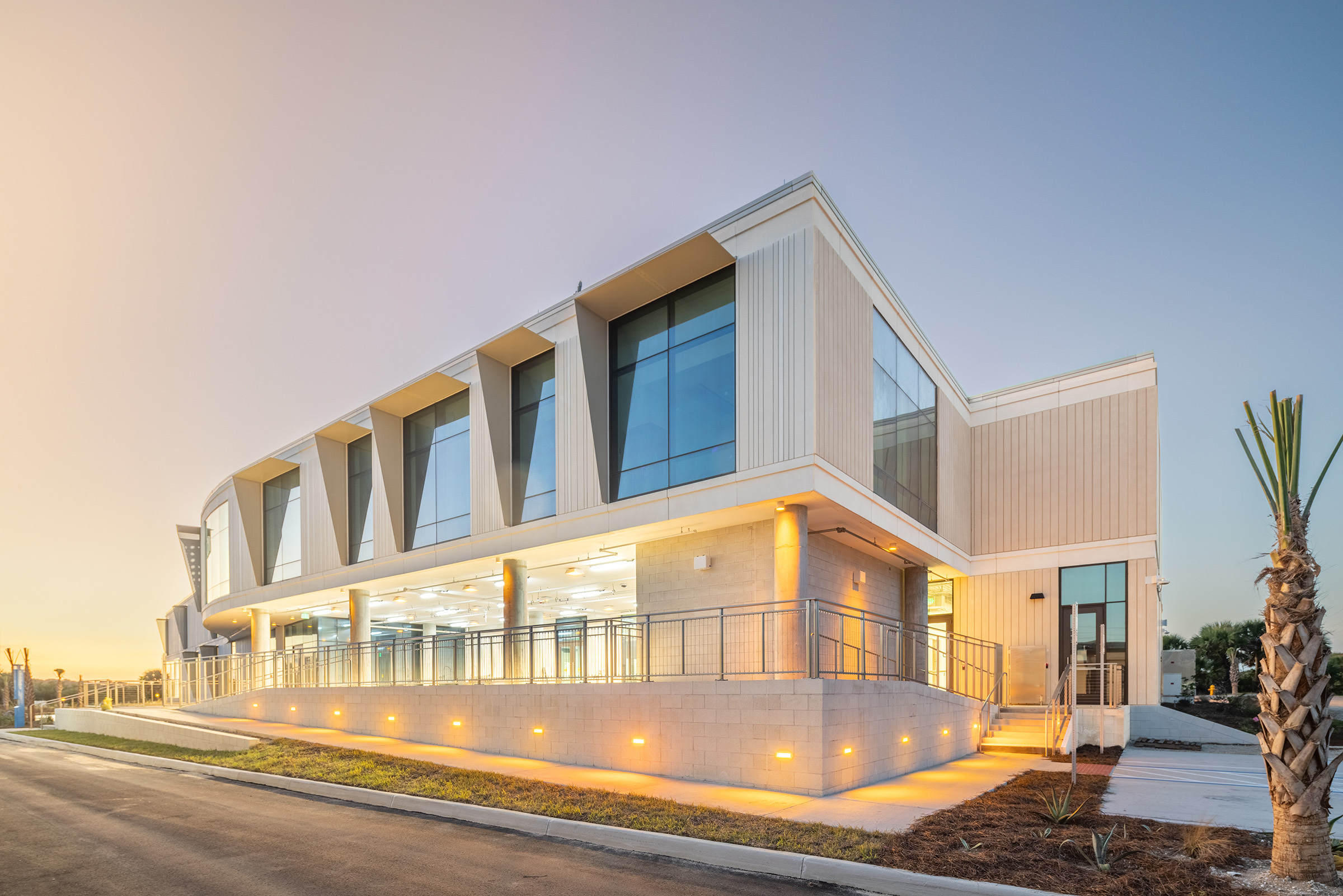
Nestled against the backdrop of the Matanzas estuary in St. Augustine, FL, the University of Florida's Whitney Laboratory for Marine Bioscience embarked on an ambitious replacement project of their 50-year-old existing facility, with a new LEED Gold building that promised to be a beacon of innovation and learning for marine conservation. The new Sea Turtle Hospital serves as a purpose-built establishment dedicated to rehabilitating and conserving sea turtles—a testament to the laboratory's commitment to marine life preservation and environmental sustainability.


Building the Future of Interdisciplinary Research and Training
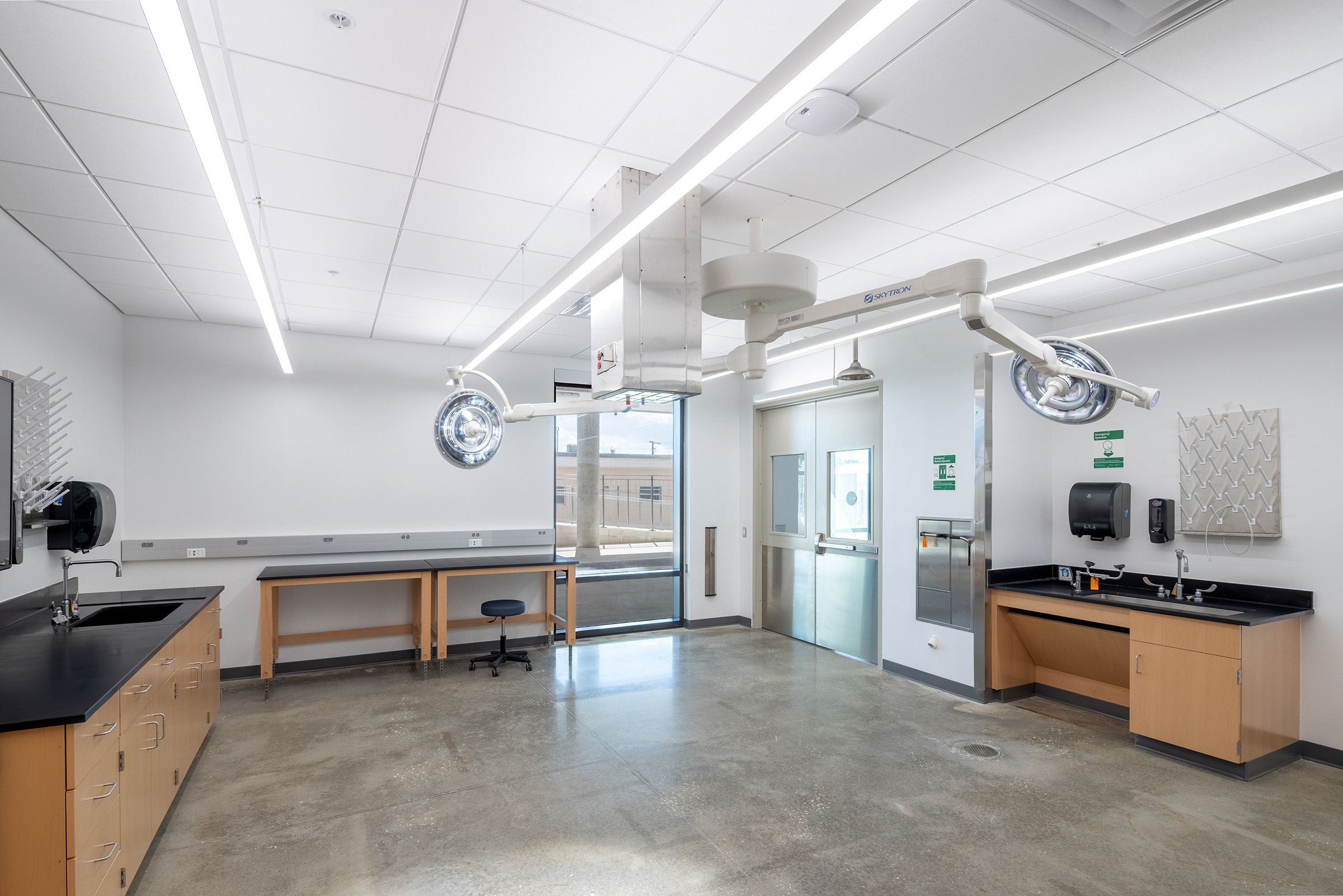
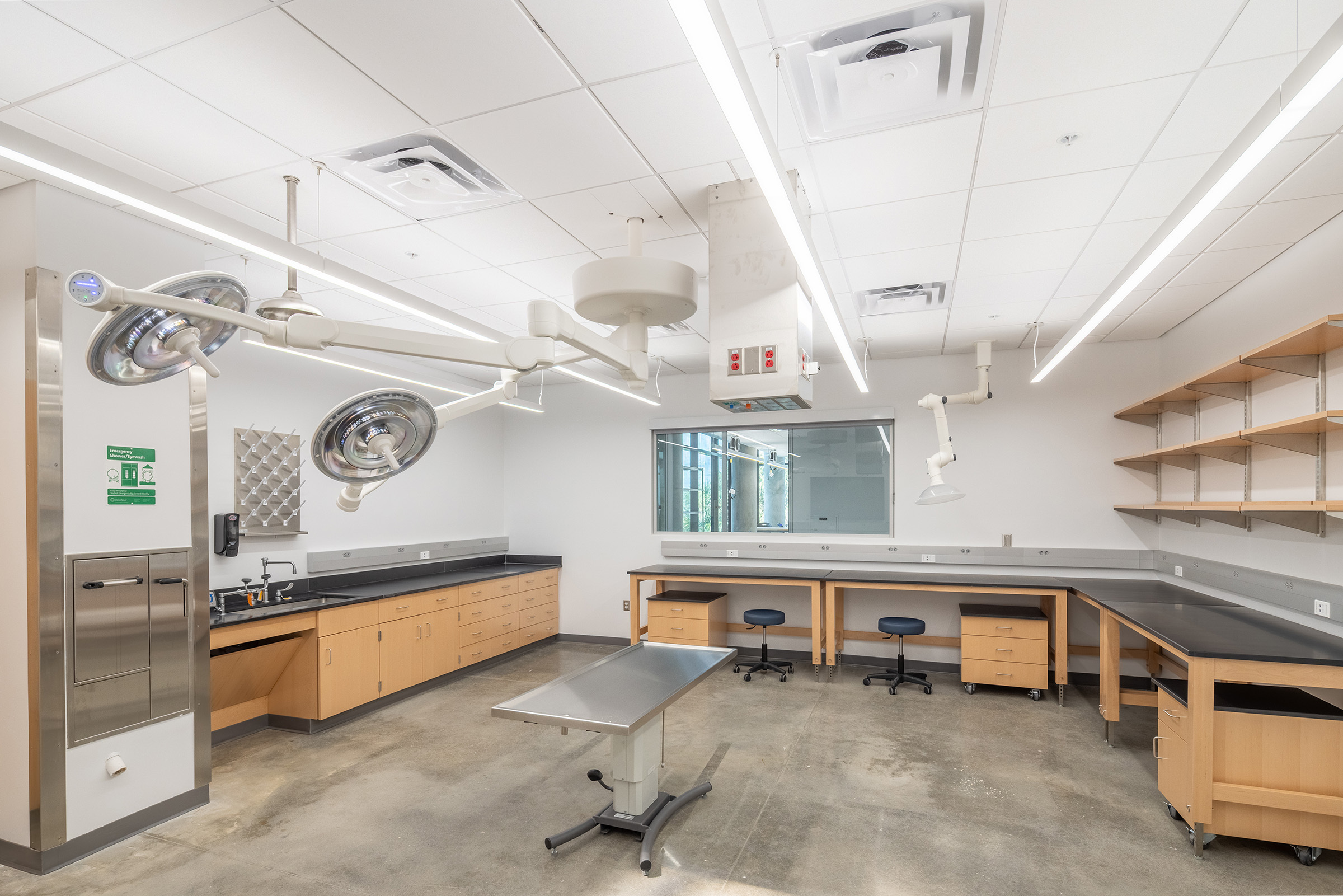
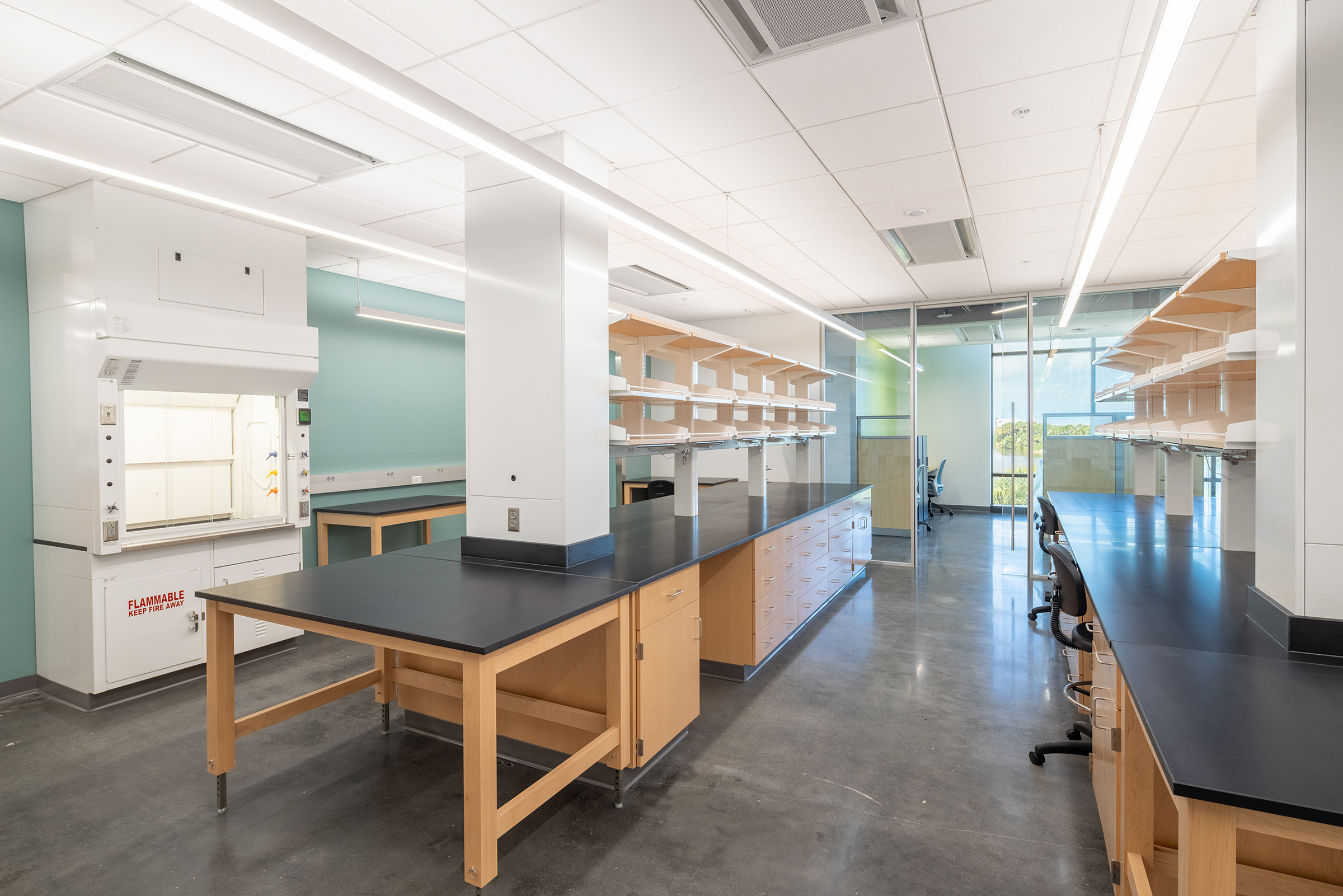
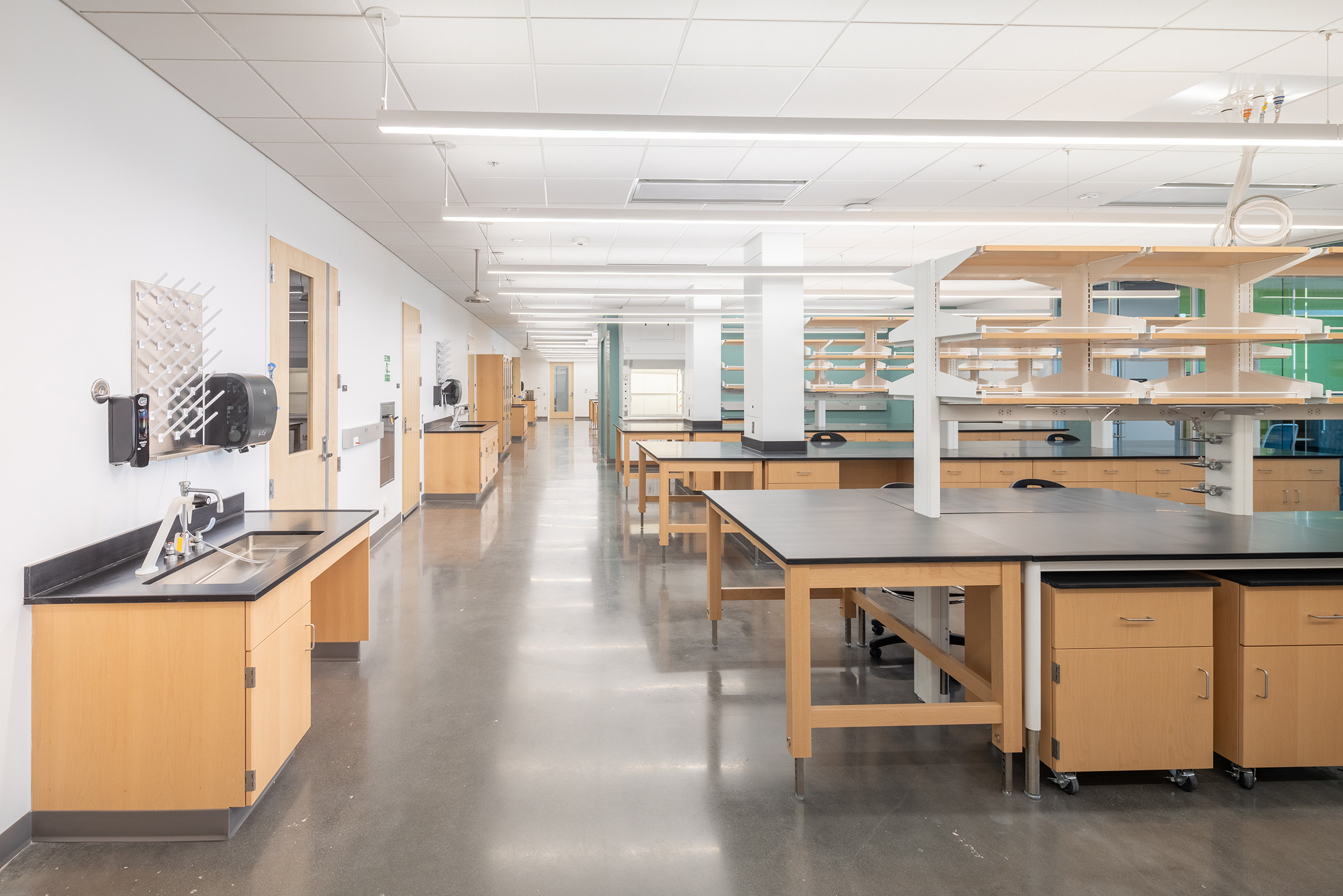
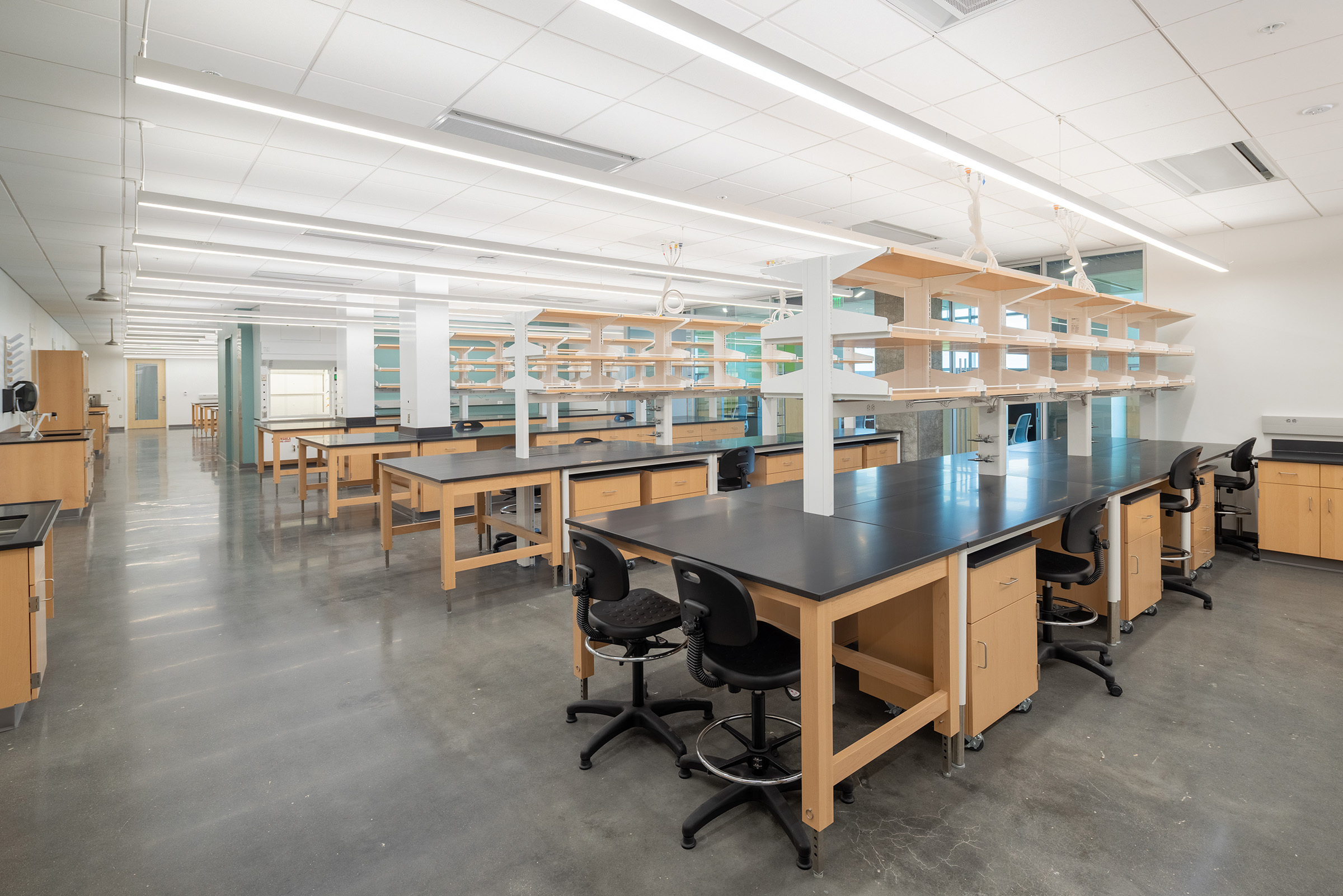
The new 46,500-sq.-ft. interdisciplinary research and training facility houses over 70 faculty and graduate students focused on research of coastal marine environmental biology, regenerative biology, neuroscience, STEM education and bioengineering, and features 12 research laboratories for students and postdoctoral staff in a more modern “open-lab” like setting. It leverages the world-class and recently upgraded circulating seawater system and allows for more collaborative and interdisciplinary spaces, housing state-of-the-art technology including mass spectroscopy, high-resolution optical microscopy and single cells sorting/sequencing. There are over 1,000-sq.-ft. of wet lab space and an HVAC system designed to meet coastal environment requirements.
Lab and hub space included:
- Expanded STEM Career Training Center for doctoral, graduate and undergraduate students
- Regenerative Medicine and Neuroscience Hub
- Sensory Biology/Biomechanics Laboratory Hub
- High-Performance Multi Scale Flow Visualization Lab
- Shared Graduate Student Innovation/Maker Suite

Building on The Coast
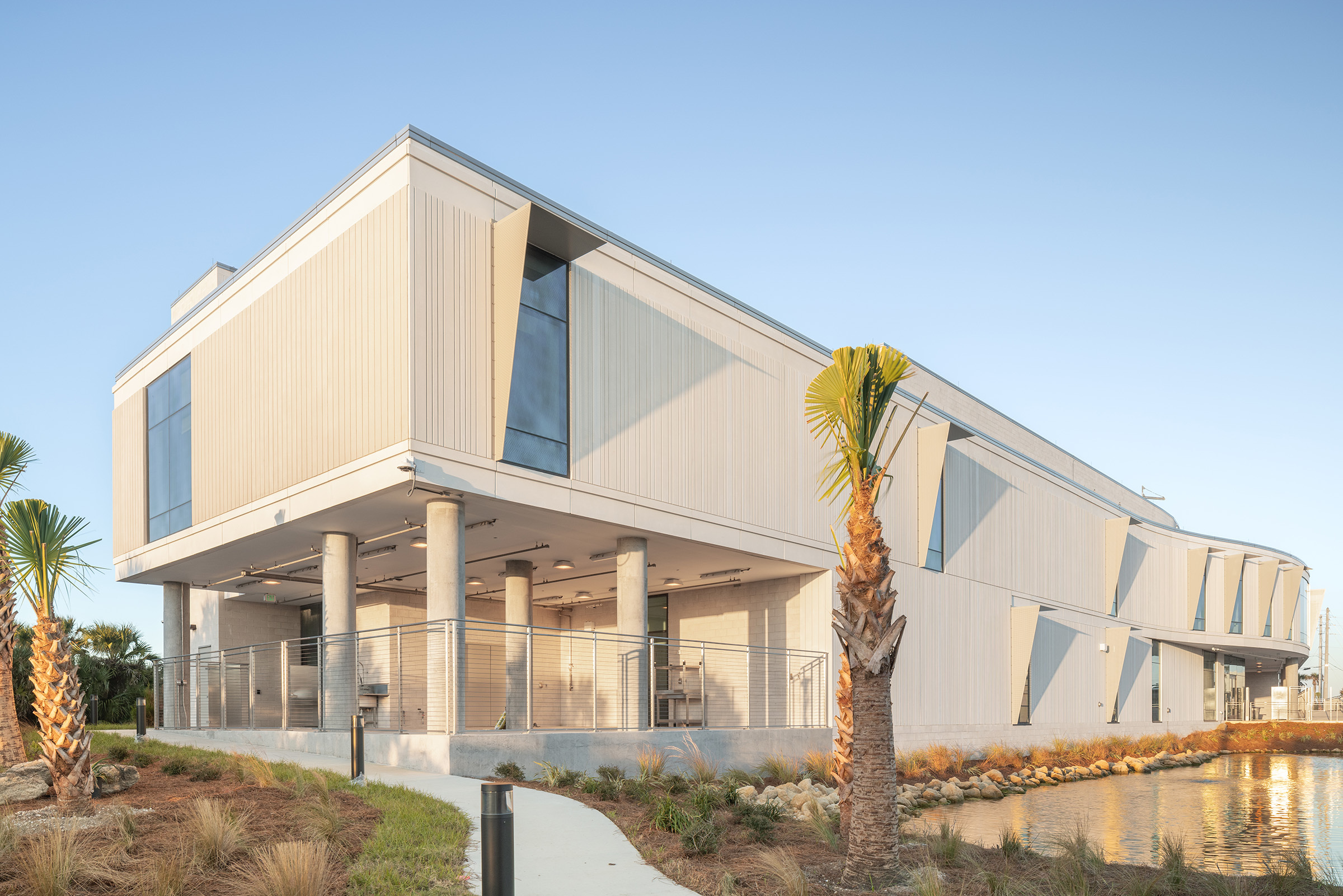
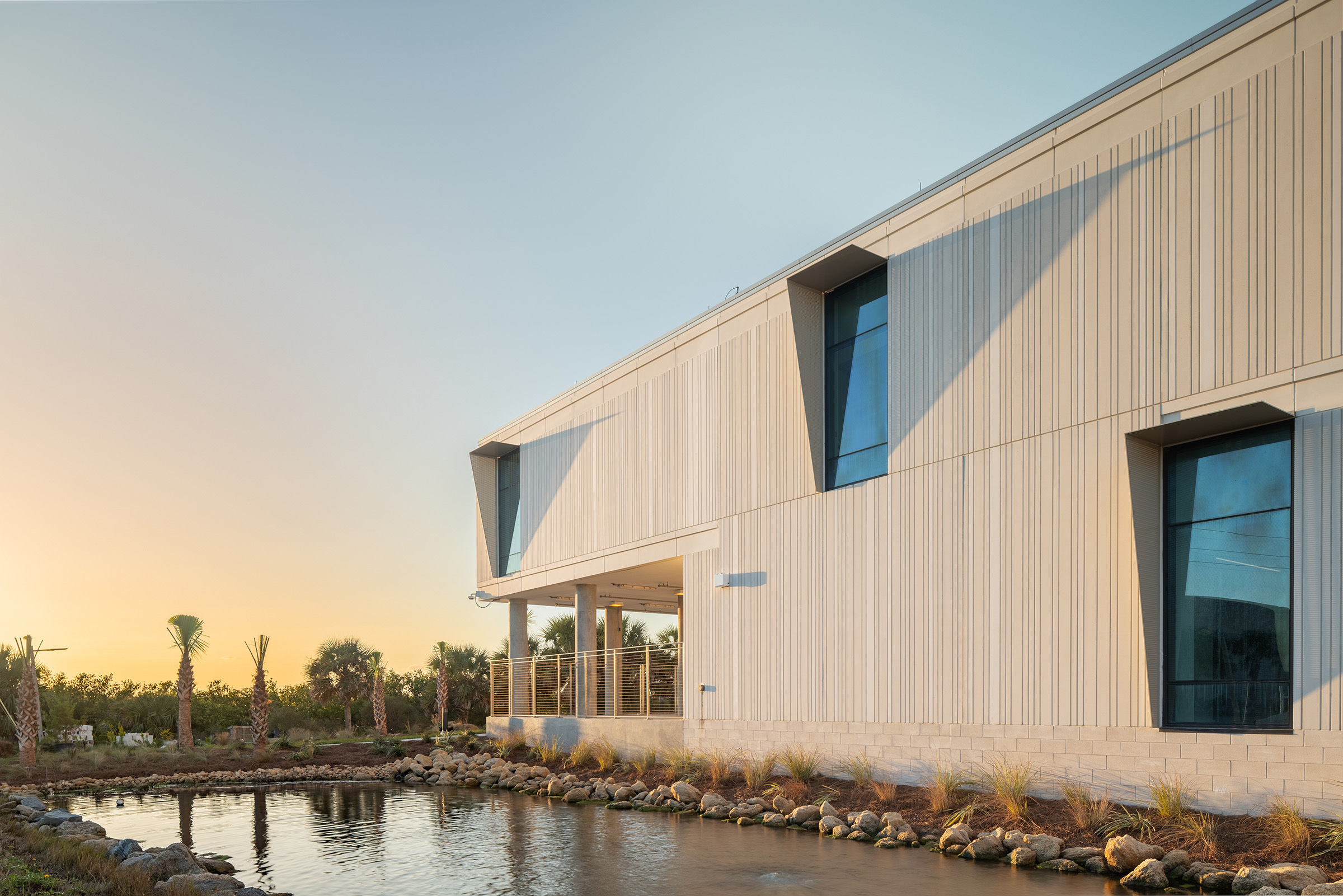
The building is constructed on a raised platform to mitigate the risk of flooding and hurricanes, a crucial feature of its coastal location. Corrosion-resistant materials are widely used to protect the facility from harsh, salty air, ensuring structural durability. Specialty materials are also used in the piping systems to ensure uncontaminated water, which is vital for sea turtle health. The innovative indoor-outdoor tank design allows direct natural seawater sourcing, mimicking the turtles' natural habitats.
Targeting LEED Gold Sustainability
The new Whitney Laboratory for Marine Bioscience was built targeting LEED Gold certification, which involved meeting high standards in energy efficiency, water conservation and sustainable material use. The facility integrates energy-efficient systems, sustainably sourced materials and water-saving technologies, minimizing its environmental footprint.
Community Engagement through Interactive Marine Education
The public-facing sea turtle hospital and Marine Research and Conservation Discovery Hall Lobby welcomes visitors to learn about the research programs, the local environment and sea turtle conservation. The Hall is an interactive space that immerses visitors in marine conservation efforts and includes an observation deck that allows guests to observe the turtle tanks non-invasively, fostering a deeper connection with the rehabilitated marine life.
Art Program Enhancing Education
Art plays an important role in enhancing the educational experience. Through the Art in State program, local artists create sea turtle-themed artwork, enriching the facility's ambiance and serving as educational tools.


We think you'll like this, too.


