GSR Annual Report 2024
Planet Pillar
11 minute read
11 minute read

Planet Pillar Building a Regenerative Future
Sustainability is woven into decisions we make, from the way we operate and build to how we influence the construction industry as a whole. We are committed to creating a healthier, more sustainable future by driving measurable progress and redefining what it means to build responsibly.
Our Path to Regeneration initiative, launched in 2023, set clear targets for reducing greenhouse gas emissions, improving resource efficiency, and delivering greener outcomes for our clients.
In 2024, we put these goals into action by furthering our design influence through embodied carbon lifecycle analysis, supporting reductions in energy use intensity, and advancing our jobsite practices from supply chain to lowering waste, efforts that helped DPR earn a “Best” rating in the Carbon category through the Contractor’s Commitment to Sustainable Building Practices. This recognition highlights our leadership in reducing emissions and implementing greener practices across our projects.
We also prioritize transparency and accountability through platforms like EcoVadis, a leading global environmental, social, and governance (ESG) performance evaluator. DPR improved its EcoVadis score by 20% this year and received a Commitment Badge for our ethical and sustainable practices progress.
By continually enhancing our Sustainability Best Practices and collaborating with partners to reduce waste, conserve water, and improve material selection, DPR delivers meaningful change at every level—projects, offices, work sites, and communities. We’re not just meeting goals; we’re setting new benchmarks for what sustainable construction can achieve.
An introduction to our Planet Pillar with leader Ryan Poole.

What does the Path to Regeneration look like for us in 2024? Learn more here.
Path to Progress
The Path to Regeneration is a roadmap for DPR’s vision to reduce carbon emissions across our value chain. It focuses on a direct, data-driven approach, tracking progress using transparent, real-time data.
We crafted our Path to Regeneration based on industry-recognized frameworks such as the GHG protocol, but have dialed-in on the areas we believe we have the most influence to drive change. Our report highlights just a few areas from our path where our teams have been working hard to drive meaningful change.
Carbon Reporting 2024
Below is DPR’s Carbon Footprint for 2024. This year, we published an internal tracking dashboard for our carbon footprint metrics to help connect different data points across the company and track performance over the years. A snapshot is included here.
Like last year, we will receive Limited Assurance on our 2024 Scope 1 & 2 Emissions by DPR’s 3rd party auditor Crowe LLP.

Building a Zero Waste Culture
We launched our Waste Management Dashboard to better track and understand our progress toward a Zero Waste culture. The dashboard gives our teams clearer insight into where we’re making an impact and where we can do more.

Hydration Station Updates
After feedback, Phase 2 moving forward with these lessons learned:
- Bigger change management opportunity than perceived
- Highlighting health benefits helps
- Providing stats on plastic bottles avoided drives momentum at the station
- Education through toolbox talks is important
- Multilingual signage is key
- Guidelines on reusable bottle, cleaning, and hydration benefits
- COVID changed perception on public water fountains, but that seems to be fading
- Public fountains have been used around the world for centuries

SPOTLIGHT
Mario Pozzo
Why were you interested in becoming a TRUE Advisor?
I’ve always felt a need to steer the construction world towards a cleaner, more efficient reality. Buildings account for 40% of energy consumption, 35% of carbon emissions, and 75% of electricity use. Additionally, demolition and construction waste account for 30% of the world's trash. With creative solutions like those offered by the TRUE program and with team and owner buy-in, we can greatly reduce our impact on the planet.
What is something interesting that you learned during the process?
Drywall can be turned into fertilizer, but better yet, can be recycled into new drywall.
What do you look forward to DPR improving in terms of its zero-waste culture next year?
I want to bring zero waste to every conversation, from the design of our snack tables to how we dispose of our demolition and construction debris.

Equipment Powering Progress
In 2024, one specific case study piloted three different temporary hybrid generator set-ups on the MAZ Data Center construction project in Mesa, Arizona.
The pilot, aimed at enhancing construction energy efficiency, air quality, and operational resilience on-site, compared two integrated hybrid generators from different manufacturers and an Energy Storage System paired with a separately procured diesel generator.
Designed as cleaner, more efficient alternatives to standard diesel generators, these hybrid setups were strategically implemented to power guard shacks and restroom trailers used by craft workers, ensuring reliable energy delivery while significantly reducing environmental impact. We work to procure renewable diesel fuel alternatives to further drive down emissions and increase air quality at the source.

By integrating these advanced hybrid power solutions, the project achieved remarkable sustainability gains, including: 15,936 engine hours saved, reducing wear and tear on traditional generators and minimizing maintenance costs.

A combined 70% reduction in carbon dioxide (CO2) emissions, cutting fuel consumption and contributing to a lower-carbon construction footprint.
Of the solutions piloted, the most favorable solution was the ANA Energy BossTM 25 kVA hybrid generator. It is a single trailer set up, significantly lighter than a standard diesel generator of the same capacity, has the ability for remote monitoring and maintenance, and utilizes a unique Lithium Titanate Oxide (LTO) battery technology that allows for very fast charging. This solution showed both the greatest cost savings and carbon reduction.

Through 2024, we captured the following savings from this unit when compared with a traditional diesel generator:

CHARGING STATION Updates
Phase 2 will address existing challenges with:
- Extended-range models to support longer travel distances
- Portable chargers for added flexibility on jobsites
- An EV charging reimbursement program to simplify cost management
Fleet Eliminating Tailpipe Emissions
In 2024, we rolled out Phase 1 of our Ford F-150 Lightning pilot, deploying numerous trucks company-wide as part of our Path to Regeneration roadmap. This initiative aims to reduce emissions, lower operational costs, and integrate sustainable fleet solutions.
Feedback from drivers highlighted several key benefits, including lower fuel costs compared to traditional gasoline-powered trucks, reduced maintenance needs due to fewer mechanical components, and greater performance for daily commutes and jobsite visits. Some drivers also benefited from utilizing high-occupancy vehicles (HOV) or carpool lanes to reduce their overall commute time.
However, range limitations and charging accessibility posed challenges, particularly for those traveling to multiple jobsites daily. Drivers expressed interest in extended-range batteries, increased access to charging stations, and a more streamlined reimbursement process for off-site charging.
As we continue to scale our electric fleet, the Phase 2 improvements will ensure a smoother transition to zero-emission vehicles while maintaining the reliability and efficiency our teams need. DPR remains committed to driving sustainable innovation in our operations, making electrification a practical and impactful step toward a lower-carbon future.

"I’ve been driving the electric lightning truck for a year now, and I’m proud to be part of such an important step in DPR’s sustainability efforts.
It’s great to see how the company and team are committed to making a positive change by reducing emissions, lowering fuel costs, and cutting maintenance compared to conventional trucks.
I hope to see more DPR electric trucks with a higher daily range in the future, along with more charging stations near construction sites to support this initiative as it continues to grow.”
Arqui Araujo
General Foreman

WELL at Scale is an initiative by the International WELL Building Institute (IWBI) designed to help organizations prioritize health and well-being across their either real estate portfolios. Learn more ➜
| WELL Platinum | Nashville Reston |
| WELL Gold | Raleigh-Durham |
| WELL Silver | Austin |
| WELL Health Safety Rated | Baltimore Charlotte Dallas Ft Lauderdale Greenville Houston Newport Beach New Jersey Orlando Pasadena Phoenix Richmond Sacramento San Diego San Francisco Seattle Tampa Tucson |
Offices Creating Healthy Spaces
Over the past year, DPR has focused on obtaining WELL certification for several of its offices and has been actively improving the jobsite environment for our field teams.
The DPR Office and Jobsite Sustainability Best Practices provide strategies for ensuring optimal building performance through design opportunities to maintain team health. Additionally, we have implemented programs to manage air quality and select materials wisely.
Whether at jobsites or in our offices, our people's health, safety, and well-being remain a top priority. IWBI recognized our commitment by awarding us the 2024 Health and Safety Leadership Award and the Rising Star WELL at Scale Award. We are committed to offering solutions and benefits that create a positive impact.
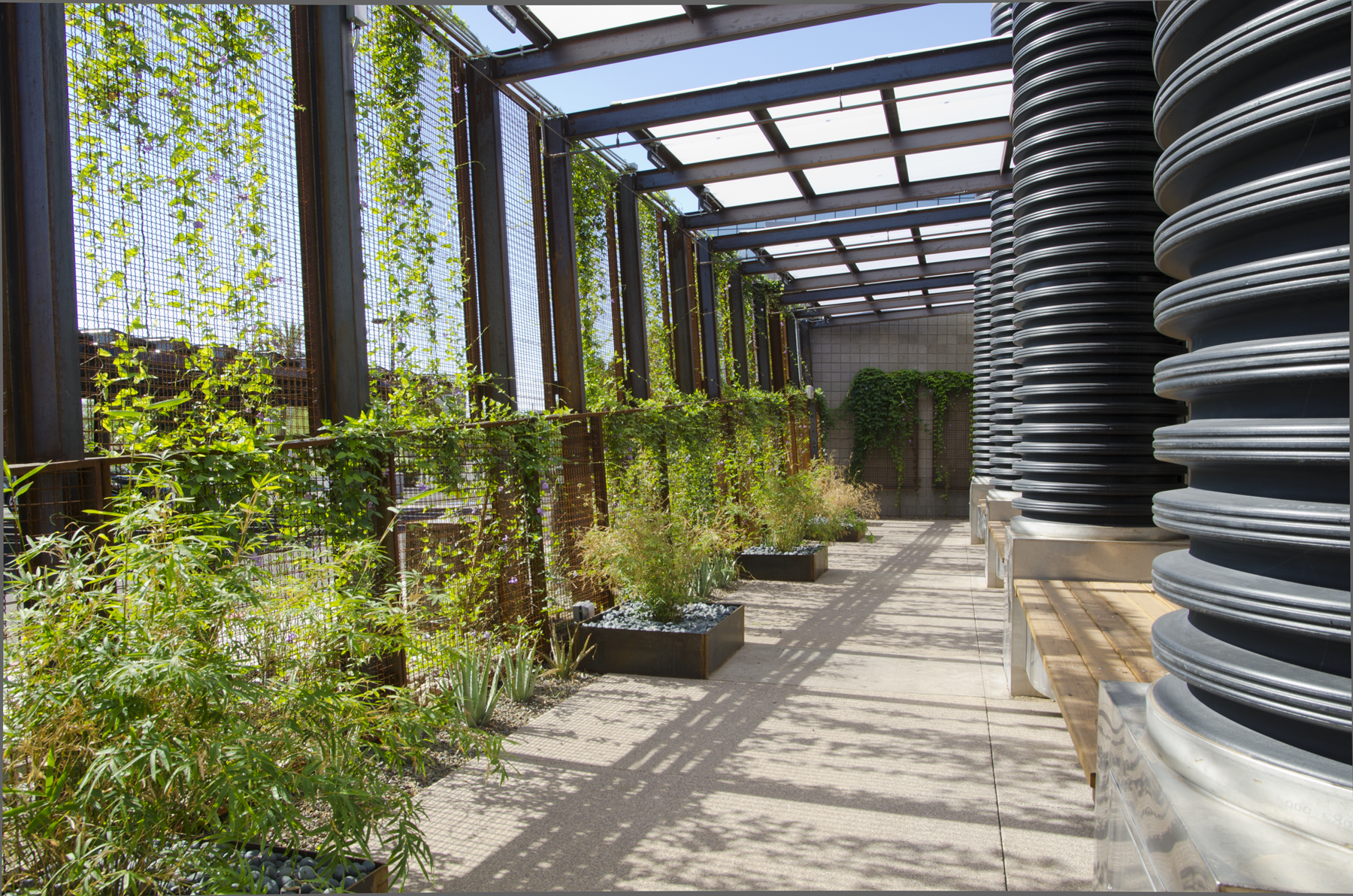
DPR Living Labs
As a national leader in sustainable construction, DPR demonstrates its commitment through the innovative design and operation of our offices, which we call Living Labs, operating at Net Zero Energy.
These spaces embody our dedication to sustainability, serving as testing grounds for exploring new possibilities in design and construction. Each living lab showcases high performance at competitive costs, innovative renovation strategies across diverse climates, and the power of integrated delivery to achieve exceptional results.

Influencing Self-Perform Work
Through our concrete work, we are committed to reducing carbon emissions in the construction industry. Our concrete experts implement various methods to minimize the environmental impact of structures. These methods include using alternative materials to replace some of the cement, exploring different types of cement, improving aggregate mixing, and capturing CO2.
As a contractor that manages its own projects, we incorporate carbon tracking and reduction throughout the construction process. Recognizing that concrete significantly contributes to greenhouse gas emissions, this approach enables us to make critical decisions early on, establish standards, and promote lower-carbon options while also exploring various designs and measuring carbon usage.
SPW + Our Silicon Valley Office
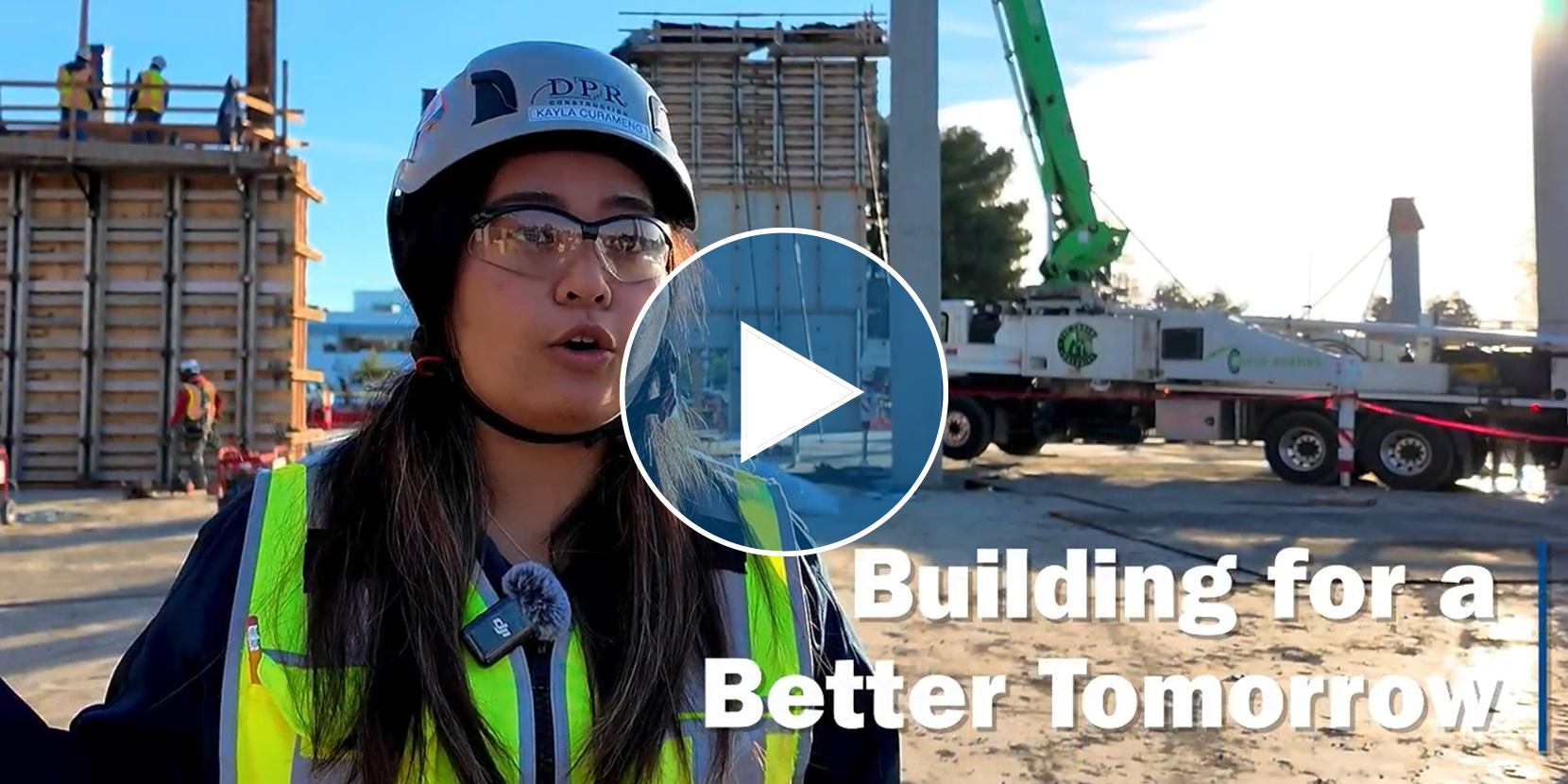
Our Silicon Valley Office project recently completed the pouring of 2,200 cubic yards of concrete using our self-performed work crews. Our Self-Performed Work (SPW) team, in collaboration with GPLA and regional sustainability leads, successfully reduced the upfront embodied carbon footprint of the concrete by 38%. This reduction equated to 1,162 metric tons of CO2 emissions avoided, which is comparable to removing 277 gasoline-powered cars from the road for a year, eliminating the energy usage of 152 homes over the same period, or the carbon absorption of 1,357 acres of U.S. forest growth in one year.
Influencing Industry Transformation
We’re helping the industry take meaningful steps toward a more sustainable future through leadership, collaboration, and knowledge-sharing.
As a founding member of the Contractors Commitment, DPR is working to align best practices across the industry, ensuring sustainability becomes the norm rather than the exception. We also played a large role in developing the AGC Decarbonization Playbook, a first-of-its-kind resource that gives contractors the tools they need to track carbon emissions, reduce their environmental impact, and enforce more efficient jobsite operations.
But our impact doesn’t stop there. We were the first contractor to champion the Mindful Materials Forum, leading the charge in material transparency and driving widespread adoption of the Material Framework. Our partnership with NREL (National Renewable Energy Laboratory) also pushes the boundaries of sustainability, supporting groundbreaking research on energy-efficient construction.
Beyond our projects, we’re committed to educating and collaborating with the broader industry by participating in industry events.

The AGC Decarbonization Playbook is a first-of-its-kind resource designed to help contractors track and reduce carbon emissions.
The playbook provides tools to calculate project carbon footprints and outlines industry-backed strategies for minimizing environmental impact, from using low-carbon materials to improving jobsite efficiency.
By equipping firms with practical solutions, it sets a new standard for sustainable construction practices.

Green Statistics by the Numbers


Gensler DC Terrace
WASHINGTON, DC
Winner of the NAIOP DC/MD’s 2024 Best Sustainable Project, the terrace sets a standard for the regions and beyond for what real environmental impact looks like.
The project team embraced the circular economy through material reuse – using existing materials and products in their space. Gensler collaborated with DPR, carpet manufacturer Tarkett, and biotech company Mycocycle to harness the power of mushroom root systems (or mycelium) to naturally break down broadloom carpet waste and avoid the landfill.
- 90% of the construction & demolition waste diverted by having a deconstruction and reuse plan for materials – old and new.
United Therapeutics Phase 5 cGMP Warehouse
DURHAM, NC
Winner of the USGBC Carolina's Decarbonization award, ISPE FOYA’s Facility of the Year Honorable Mention, I2SL’s Excellence in Resilience and Renewable Energy and ENR’s Best Project, Manufacturing in 2024.
Materials selected on the LEED v4 BD+ C: Warehouses Gold project were chosen to reduce embodied carbon. A unique aspect of the logistics facility was the adaptive reuse of the existing field house (6-7% of the overall square footage), which significantly reduced embodied carbon by minimizing the project's ecological impact.
- 83% Construction waste diversion
- 119% Modeled energy cost savings
- 32% Reduction in potable water
Scripps Headquarters Office & Parking Structure
SAN DIEGO, CA
The San Diego SPW Concrete team reached a significant milestone at Scripps Healthcare’s Executive Office Building and the adjacent Parking Structure by using synthetic macro fibers instead of traditional rebar.
For the five-story office building, approximately 3,600 cubic yards of concrete were poured, including the roof slab on a metal deck, which incorporated synthetic macro fibers in place of rebar. Similarly, the slab-on-grade for the four-story parking structure was poured using the same fibers. These fibers meet and exceed conventional steel reinforcement's tensile and flexural capacity, as verified by ASTM C-1116 and C1609 standards.
This innovative substitution reduced embodied carbon emissions by 66% for the slab-on-grade applications and achieved project-wide cost savings compared to conventional methods. The initiative's success was driven by proactive planning, including a pre-installation meeting with the fiber supplier and ready-mix suppliers to identify and address potential challenges in advance. This project exemplifies innovation, collaboration, and a commitment to sustainable construction practices, delivering both environmental and economic benefits.
- 66% Reduced embodied carbon emissions
Explore More of the GSR Annual Report 2024

People
Explore this Pillar ➜

Planet
Explore this Pillar ➜

Partners
Explore this Pillar ➜

Philanthropy
Explore this Pillar ➜
Posted on June 27, 2025
Last Updated May 22, 2026
File Download